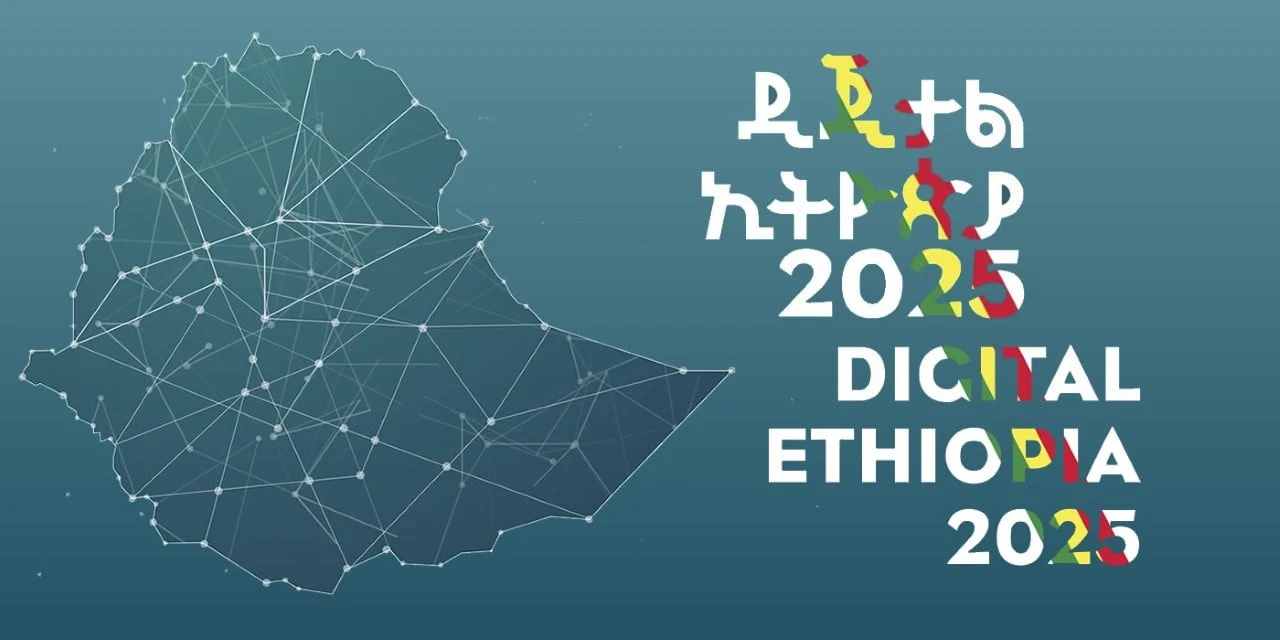
Ethiopia’s technology growth is visible but uneven. Urban centers are seeing increased use of smartphones, mobile banking, and online services, while rural communities continue to struggle with basic connectivity. This imbalance creates a twospeed digital society — one that is connected, informed, and adaptive, and another that is isolated from the opportunities of the modern world.
One of the biggest barriers is not just infrastructure, but awareness. Many people are unfamiliar with what technology can do for them. Farmers may not know how digital tools can improve yields, students may lack exposure to online education, and small business owners often operate without access to ecommerce or digital marketing. This lack of exposure slows national adoption and makes Ethiopia less competitive in a rapidly advancing world.
Compared to other regions, Ethiopia has been slower to adapt to emerging technologies, including AI. As developed countries and even some African nations integrate AI into healthcare, finance, education, and agriculture, the gap is growing faster than ever. If this continues, Ethiopia risks being left behind in the next phase of the global digital economy.
However, this same challenge presents a unique opportunity. AI has the potential to bypass traditional limitations. With tools like voice assistants in local languages, AIpowered translation, automated advisory systems for farmers, and intelligent tutoring for students, Ethiopia does not need to follow the same slow path of digitization that others took. Instead, it can leapfrog directly into an AIdriven ecosystem.
Rather than requiring millions of people to first become highly digitally literate, AI can meet people where they are — through voice, local language, and simple interfaces. This could dramatically increase participation in the digital economy and help Ethiopia adapt at a much higher rate than before.